Understanding Landscape Change
Understanding how landscapes change, why those changes occur, and what they mean for ecosystems, communities, and the sustainable management of natural resources.
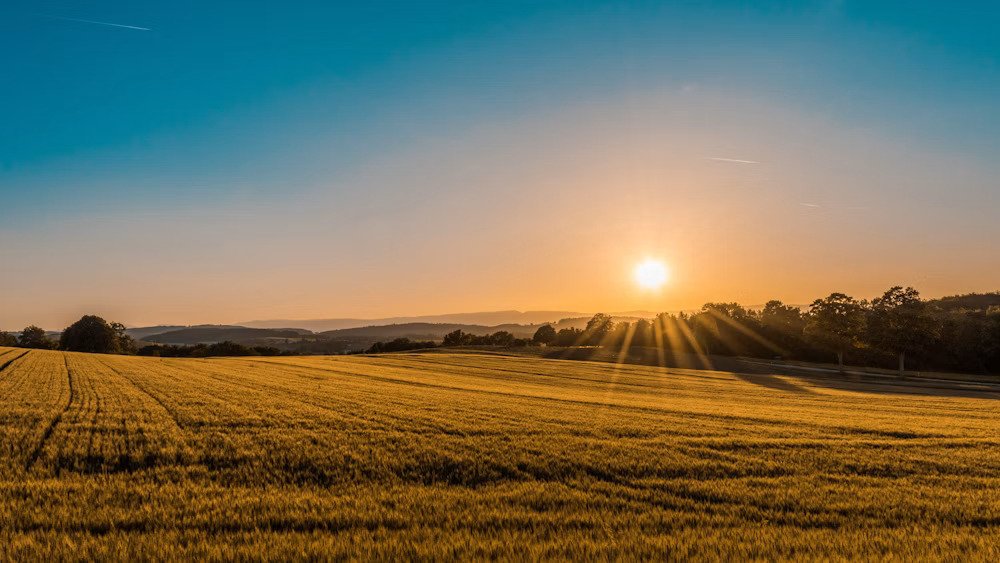
Landscapes are constantly changing.
Land use and land cover change are shaped by interactions between environmental conditions, human decisions, economic forces, institutions, and resource-management practices.
At the IHED Lab, land-use change research examines these dynamics through an integrative perspective that connects landscape patterns with human and environmental systems.
This work includes examining changes across watersheds, agricultural landscapes, urban areas, forests, and post-mining environments.
Studying change from landscape patterns to human decisions.
Our land-use research connects spatial patterns with the ecological and social processes that produce them.
Land Use & Land Cover Change
Examining how land-use and land-cover patterns change through time and across different landscapes.
Landscape Patterns
Using spatial perspectives to understand where land-use changes occur and how patterns vary across regions.
People & Land Decisions
Considering the human dimensions behind land-use decisions, resource management, and changing landscapes.
Watershed Change
Investigating land-cover dynamics and recovery across watersheds, including priority and non-priority areas.
Reclaimed Landscapes
Examining land-cover recovery and environmental change in landscapes affected by surface mining and reclamation.
Land Change & Ecosystem Services
Exploring how changes in land cover can influence ecosystem functions and the benefits that people receive from environmental systems.
Connecting spatial data with environmental and social systems.
Understanding land-use change requires more than identifying what changed. It also requires understanding the spatial, environmental, and human processes associated with that change.
The lab's research draws on geospatial and interdisciplinary approaches to examine land-use dynamics across different landscapes.
- Geographic Information Systems and spatial analysis
- Remote sensing and land-cover change detection
- Land-use change modeling
- Landscape and watershed analysis
- Field-based environmental research
- Integration of social and natural science perspectives

What can changing landscapes tell us?
Land-use research provides a way to examine the connections between environmental change and human activity.
The IHED Lab uses this perspective to investigate questions that connect landscape patterns, natural resources, restoration, and sustainability.
How are land-use and land-cover patterns changing?
Identifying spatial and temporal patterns of landscape change across different regions and land-use contexts.
What factors are associated with land-use change?
Examining environmental, social, economic, and institutional dimensions associated with changing landscapes.
How does land-cover change affect ecosystems?
Investigating relationships between changing landscapes, ecosystem processes, and ecosystem services.
How do restoration efforts influence landscape recovery?
Examining recovery patterns in landscapes receiving different levels of restoration attention and investment.